By John Ferrandino
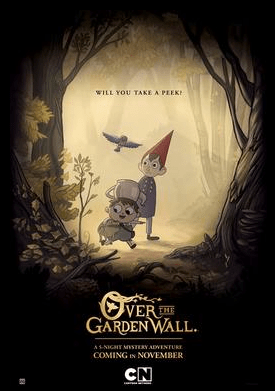
Characters: Wirt, Greg, Beatrice, The Woodsman, and The Beast
Plot: Wirt and Greg are lost in the woods. They encounter a woodsman who warns them of The Beast. The Woodsman collects wood to make oil to keep a lantern lit for The Beast, since it contains the soul of his lost daughter. The two of them then meet Beatrice, a bluebird who was originally a human, who agrees to be their guide. The people they encounter always have a curse or are the curse.
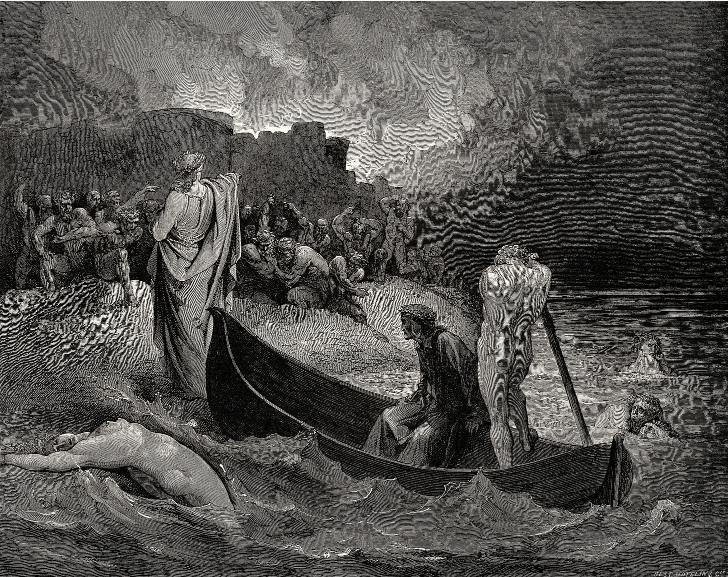
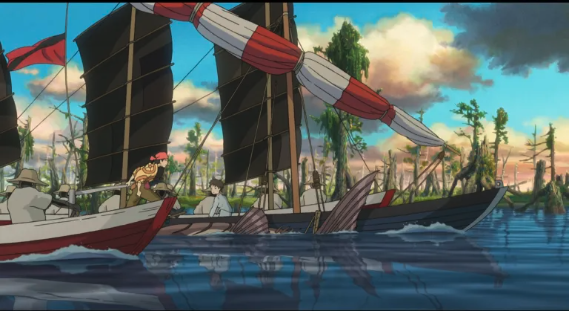
Inspirations: The show runners based the story off of 18th Century New England. The character designs are based off of early 20th century American cartoons, predating Disney and the Hayes Code. The Grimm Brothers published a collection of folktales from around their country of birth, Germany, which provides the anthology plot style for the show. Their works are celebrations of German folklore and are still recognized today. They were major figures in the Romantic Movement, a celebration of folk culture, the natural world, and the unknown. This show with its vintage New England setting inspires the same philosophy. Many Germans moved to New England and brought their folklore with them. The stories that inspired this show come from these Germanic immigrants. The art style comes from New England artworks from the early 20th century, specifically of the fall season, including halloween. The show utilizes the vintage art of 20th century New England; Beatrix Potter, Gustave Dore, John Potter, and the McLoughin Brothers, just like the Grimm Brothers utilized medieval German folklore.
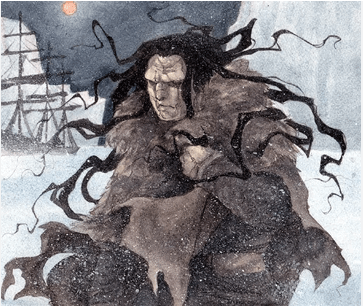
The Beast is modeled off of the Celtic forest god, Cernunnos. Most character designs come from pre Hayes Code animations, such as Betty Boop.
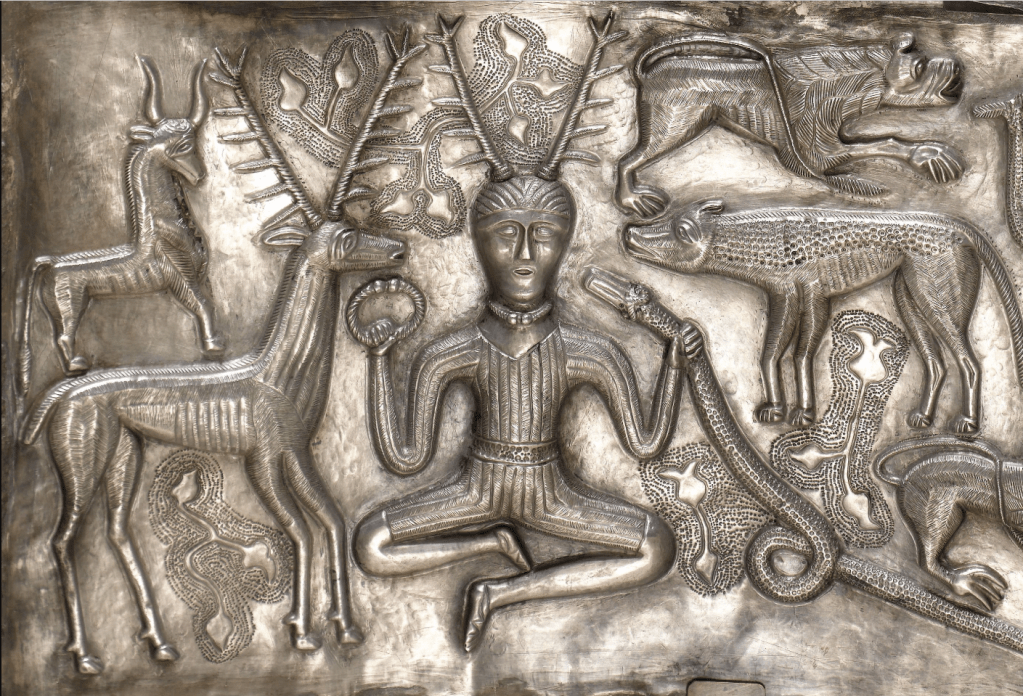
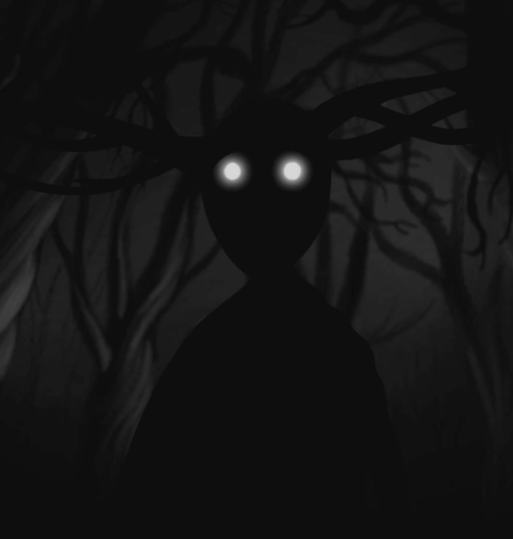
Previous explorations of the New England supernatural come from Washington Irving, Stephen King, Edgar Allen Poe, and other Romantic and Transcendentalist writers whose settings and motifs involved the New England autumn and nature, which the show runners took inspiration from.
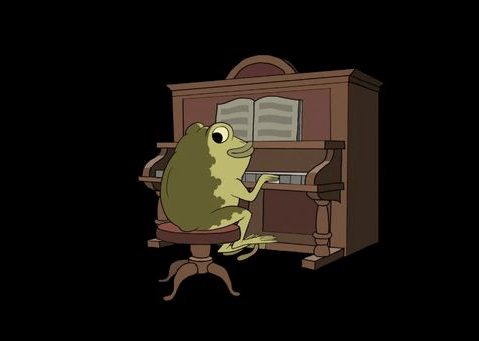
Motifs: Frog playing the piano, Americana, darkness, vintage music, black turtles, the lantern, ghosts, autumn, and animals.
The voice actor of Wirt, Elijah Wood, said that the music of Over The Garden Wall can be played on a phonograph, a vintage sound recorder from the 19th century. The music from the show includes opera, folk melodies, orchestral pieces, blues, and vaudeville, the music a phonograph of that era was used for. These genres are simple in their atmosphere, inspiring warmth and good feelings, but also holds darkness. The Beast sings opera while he turns children into trees, the tavern folk sing melodies warning of The Beast, and Greg sings an uplifting song at the school house to lighten the mood.
The autumn season is the end of the harvest, the days get shorter, and the border between the living and the dead starts to get weak. That’s what makes the season ideal for the spooky tone of Over The Garden Wall.
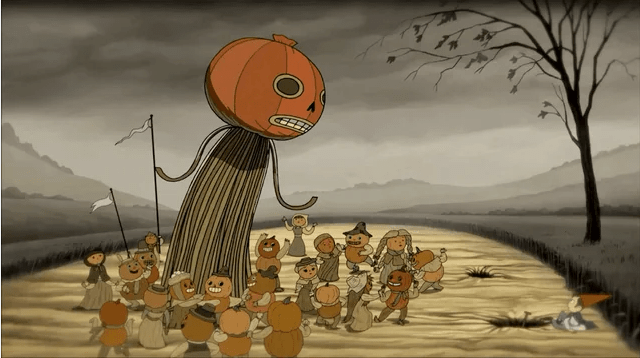
The black turtles are mysterious creatures that transform the animals into savage creatures. Turtles are not a threatening or suspicious animal in the Anglo-Protestant culture of New England, but have a powerful role in Native American mythology, since the North American continent is believed to be the shell of a sea turtle. This inclusion of the turtle is a respectful nod to the original culture of New England, and the American continent as a whole.
Conflict: Man vs nature, fear over courage, despair, who to trust, and social anxiety
Wirt is cautious, dweebish, and pessimistic, so he is easy to give up. Greg is chaotic, optimistic, and overly friendly, so he gets the group in trouble. Beatrice is cynical, guarded, sarcastic, and is leading the boys to the witch, Adelaide, who turned her family into bluebirds. Each one handles being lost in the forest differently, whether or not its compatible with the others survival. Wirt is easy to give up, so he is easily caught by The Beast. Greg trades himself for his brother’s freedom. The Woodsman’s daughter’s soul is stuck in the lantern the Woodsman took from The Beast, so he cuts down trees to make oil to keep it lit. He does The Beast’s bidding, or else it will take the lantern for safekeeping. The Woodsman discovers Greg being turned into a tree. The confrontation between The Beast and The Woodsman reveal that the oil is made of lost children turned into trees. Wirt also deduces that the lantern is The Beast’s soul. Wirt’s caution and trusting his own reasoning lets him leave with hos brother. The next thing they know, they are waking up in an ambulance, having dreamed the experience at the bottom of a creek. The epilogue still shows how the brothers positively affected the inhabitants of the woods, such as Beatrice and her family turning back into humans. The Woodsman reunites with his daughter alive after blowing out The Beast’s soul. Wirt and Greg encounter the living and the dead, but it doesn’t feel like purgatory. A source of comedy is that the duo are always fish out of water, not being having the same norms, manners, or bearing as the vintage people they meet. They’re from contemporary American suburbia and they went down a rabbit hole to wonderland, but death is more present because they are near death by drowning. Perhaps they were following the light, but the tunnel is Celtic, Slavic, and Amerindian mythology.
“There is only my way. There is only the forest, and there is only surrender.”
“We’re still not any closer to getting home. I don’t know if we’ll ever get back home.”
Themes: Frailty of life, social anxiety, self-acceptance, what is the unknown, what is terror, appreciation of folk culture, the innocence of curiosity, the destruction of innocence due to frightening experiences
Like the fables cartoons that this show takes inspiration from, it closes as it opened, with a frog playing a piano.











 IBanalysis