John Ferrandino
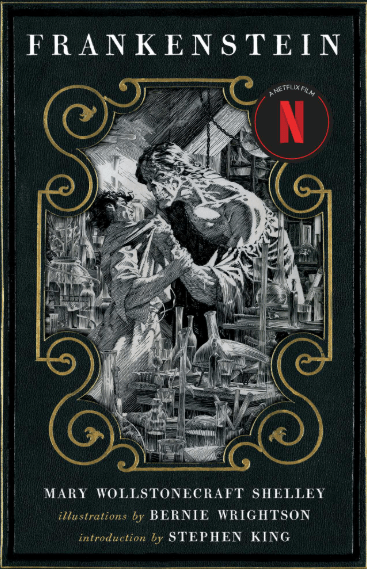
Characters: Victor Frankenstein, The Creature, and Robert Walton
Plot: In a series of letters, explorer Robert Walton recounts the story of a traveler he rescues on the ice, Victor Frankenstein, and the creature he is chasing in the Arctic. Victor created this creature in his quest to raise his loved ones from the grave. The creature is horrific in appearance and when the reality of this act cause Victor to flee in terror when the Creature awakens. When he returns to Geneva, the Creature follows him back and reveals his intelligence, cruelty, and desire for companionship. He demands Victor to create a bride. When Victor refuses, the creature vows to destroy everyone he loves.
Inspirations: Mary Shelly was a major proponent of Romanticism, the intellectual and artistic reaction to the Enlightenment and scientific rationalism, where logic and reason were valued above all else. The Romantic Movement brought emotions and a love of the natural world back to European and American intellectual groups, such as Lord George Byron, Percy Shelly, John Polidori, Claire Clairmont, and Mary Shelly on a rainy summer in Geneva, where Shelly wrote the manuscript for Frankenstein. Romanticism would would go on to develop into gothic, nationalism, transcendentalism, and conservation. Shelly was also inspired by the scientific developments of the 18th century, in electricity and chemistry. The story has influence from the Greek myth of Prometheus and John Milton’s Paradise Lost. The Creature finds similarities with Lucifer, who is also a fallen hero archetype. An archetype both Victor and the Creature can be classified as Byronic heroes, termed after Shelly’s friend, Lord Byron. The Age of Expedition was still going on in Shelly’s era, and this is shown with Robert Walton’s storyline, which shares a similar sense of curiosity with the Romantic Movement and scientific discovery of the Enlightenment, which are goals of Victor. Although Shelly does have criticisms on the hubris and ambition of scientific development, she respects it enough to not satirize it by attempting to give a detailed method on how the Creature was created, since science is not her field.
Motifs: Nature, science, duality, melancholy, geography, creative nature, beauty, cruelty, Paradise Lost, Greek mythology, and exchange of letters.
The entire story is a series of letters from Robert Walton in the Arctic Ocean to his sister in England. This increases the mystery and makes Walton a fellow audience member. Nature and geography is a huge part of the book’s diction. Shelly’s romanticism is shown with Victor and his family’s love of travel, nature, and education. Nature is seen as pure and beautiful. Science is valued because its a study of the natural world. Victor’s research tries to assume control of the natural world, so Shelly critiques it by the chaos caused by the Creature. Victor’s creative nature is a conflict between his emotional curiosity and scientific logic. He’s fascinated, empathetic, terrified, and disgusted by his creation.
Duality is explored by the juxtaposing of Victor’s nobility but emotional and the Monster’s barbarity but intelligence. They are two sides of the same coin, they are not what they seem. Both of them are driven by melancholy; Victor’s guilt for the murders committed by his creation and the Creature’s self-awareness of his own monstrosity and loneliness.
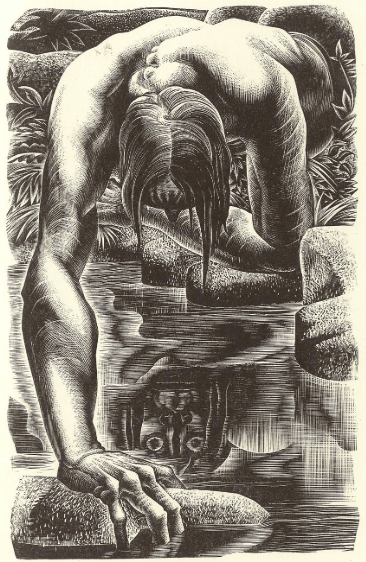

Paradise Lost is one of the books the Creature uses to educate himself with and relates to Lucifer and Adam as both are shunned and lash out at their paternal figures.
Conflicts:
Science vs nature
Nature vs nurture
Risks of exploration and knowledge
Enlightenment vs Romanticism
Beaty vs horror
Reactionary instinct
The Creature is guilty of arson, murder, and obstruction of justice. He’s only about five years old by the end of the story, but is cunning, calculating, calm, and murderous, which would’ve gotten worse as he got older without guidance. Victor rejected any responsibility for that.
Shelly’s view of Enlightenment philosophy and science based on the novel is respectful, but cautious. She doesn’t criticize the scientific method or make any statements, as shown by the lack of scientific explanation on how the Creature was created, or apply scientific logic to the characters’ decision making, such as when Victor fears of the affects of a female creature to be the mate of the Creature. He fears what would happen if the Creature and his bride would have progeny, which can be solved by removing the reproductive system from the bride. Instead Victor destroys the bride in front of the Creature. The characters are at their best in nature.
Robert Walton is trying to reach the North Pole, at the risk of himself and his crew, but after hearing Victor’s story, he decides that his life is worth more than the risks. He turns back as soon as the ship is out of the ice.
“I will be with you on your wedding day.”
“I, not in deed, but in effect, was the true murderer.”
Victor dies from exhaustion on Walton’s ship. The Creature reveals himself, and loses all purpose and hopes of love, and commits himself to the arctic darkness.
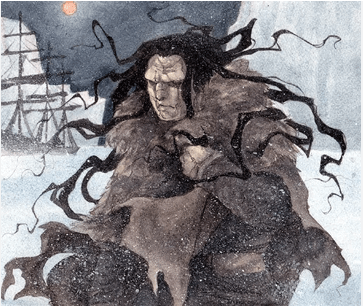
Themes: The dangers of knowledge, responsibility, fall from grace, desire for am identity, abandonment, playing god, and reactionary behavior.
The animosity between Victor and the Creature is a blow black conflict. Their actions cause the other to darker behaviors, causing more suffering.
 IBanalysis
Leave a comment