By John Ferrandino
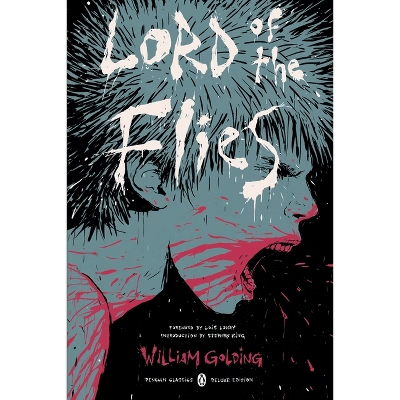
Characters: Ralph, Jack, Piggy, and Simon
Plot: During an unnamed war, a plane of British schoolboys crash lands on a deserted tropical island in the Pacific. A boy named Ralph and “Piggy” find a conch shell and use it to call all of the boys for a meeting. They are given jobs for monitering a signal fire, hunt for pigs, and build shelters. The head choir boy, Jack, becomes the head hunter. When a boy with a wine-stain birthmark disappears, rumors of a beast spreads among the littluns, causing fear and disorder.
Inspirations: William Golding was a philosophy teacher and royal navy lieutenant during WW2 who saw D-Day. He was cynical and pessimistic about the morality of humanity, so he wrote a satire of the popular adventure novel Coral Island, based on the behavior of his students and a realistic view of what they would do without adult supervision, unlike the British exceptionalism portrayed on popular novels such as Coral Island, Swallows And Amazons, and Treasure Island. As a teacher of philosophy, he explored the works of Thomas Hobbes’ Leviathan, Friedrich Nietzsche’s nihilism, as well as meritocracy, anarchy, darwinism, humanism, which explored in the Lord of The Flies. His contemporaries, George Orwell and Ray Bradbury, explored the dark nature of humans in a dystopia or contemporary Cold War era.
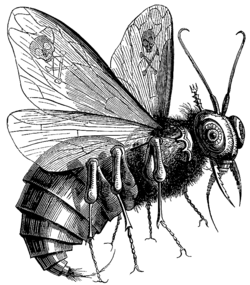
The Lord of the Flies is the english translation of Beelzebub, a deity of the decay in humans, with flies attracted to rot.
Humanity as a subject of criticism, particulary Western morality, has been explored in Joseph Conrad’s Heart of Darkness and Franz Kafka and Fyodor Dostoevsky. But Golding’s novel put theat darkness onto children, who beforehand had been seen as biblically pure based on humanist values during the Renaissance. His novel’s purpose is to show that human nature is fearful and violent, no matter the age of the ones facing selection preasures. This started the decay of humanity genre in fiction, such Battle Royale, The Hunger Games, Squid Games, 28 Days Later, Alice In Borderland, and Deadman Wonderland.
Motifs: Conch, glasses, the Beast, fire, war, savagery, and face paint
The boys represent aspects of human nature.
Ralph is leadership, responsibility, optimism, inspiration, and arrogance
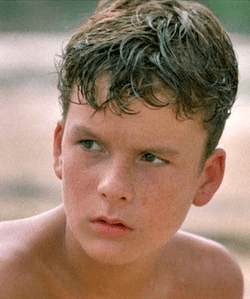
Piggy is etiquette, order, intelligence, reason, laziness, and impracticality.
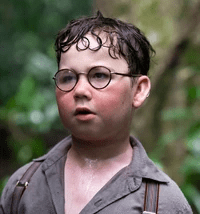
Jack is charisma, courage, strength, realism, and cruelty
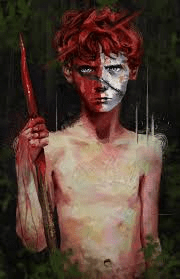
Simon is innocence, curiosity, and fagility.
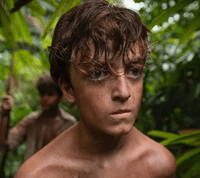
The conch is order and civilization, used to unite the boys and confirm leadership. The glasses are reason and technology, used to start the fire. The fire is set up by Ralph to signal ships, but it caused a wildfire and divides the boys over the importance of rescue or food.
Pigs are intelligent and sinister, a fitting form fo the Lord of the Flies to speak to Simon.
Face painting is practical for camouflage and sun protection, but also individuality and anonymity. As Jack’s tribe grows, Golding stops using the boys’ names, but just labels them as savages, when in Ralph’s point of view. This transition is marked by Piggy’s death and the bleaching and shattering of the conch. The conch is a piece of symbolic ritualism, like the king’s scepter. As arbitrary as the divine right of monarchs, which Piggy tries to treat the conch as, absolute authority.
Jack’s tribe is more realistic of early proto-humans, relying of strength, courage, and charisma as a basis for leadership.
When Simon meets the Lord of the Flies, he shows signs of heat stroke, causing him to see visions. His right temple is thumping, tongue swelling, and fainting.
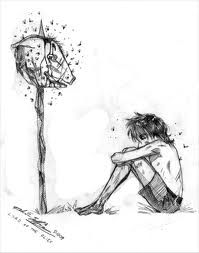
Conflict: meritocracy vs liberalism, Hobbes vs Locke, anarchy vs authority, descent into savagery, loss of paradise, decay of civilization, nihilism, and fear.
Ralph’s tribe loses appeal because of the lack of reward for their effort, lack of enforcement of the rules, and the impracticality of Piggy, who does no physical labor. Ralph and Piggy have no experience, while Jack is head choir boy and more pragmatic. His tribe successfully hunts pigs and establishes a culture of fun for those who contribute and punishment for those who disobey, while Ralph and Piggy cause a wildfire and don’t do a headcount, which results in the wine-stain birthmark kid to disappear.
Both Jack and Piggy seek gratification, leading to their rivalry. Jack is alienated by Piggy’s and the little kids’ laziness and Ralph’s under appreciation of his efforts to catch a pig. Jack uses fear to rule his Tribe.
The fire is the common goal of the boys and their hope, but they can’t maintain it without abandoning other jobs, such as hunting, collecting fruit and water, waste management, and building shelters.
The Beast is first described as a sea serpent, then after the twins, Sam and Eric, come across the corpse of a parachuted pilot in a tree, they panic and the Beast assumes the form of a land monster swinging from the trees and hiding in a cave. The fire is dropped as a priority and Jack’s tribe focuses on training to hunt the Beast. Simon tries to clear up this misunderstanding, but is mistaken for the Beast and killed, with the tide taking away his corpse and the wind blowing the pilot’s body out to sea.
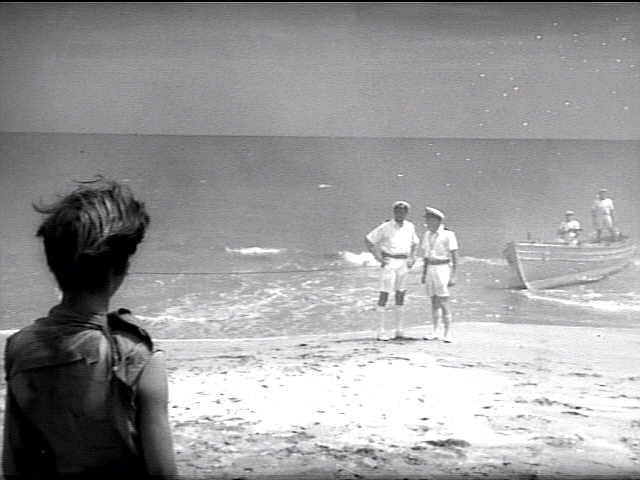
Ralph becomes prey to Jack’s tribe, who set fire to the island to weed him out. Eventually a naval officer lands on the beach, attracted by the fires, right before Ralph is cornered on the beach. The kids break down weeping at their lost innocence. The officer is not a saint either, only in that area to catch up to an enemy pilot and kill him. He rescued the kids, but who will rescue the adults?
“The beast is in all of you.”-Beelzabub
“Kill the pig. Cut her throat. Spill her blood.”
“We did everything adults would do. What went wrong?”
Themes:
The core of human behavior is fear and violence
Rule by liberalism creates resentment, creating a meritocracy
fear establishes order and culture
survival of the fittest
anonymity of violence
human darkness
impracticality of christianity and colonialism
intelligence is just fluff without actions
decay of civilizations


Leave a Reply